Foam mattresses use resilient materials that contour to the body and distribute pressure across the sleep surface. Their construction can help reduce the feel of movement from a partner and provide consistent support. Understanding foam density, firmness, and layer design helps people compare bedding options for different comfort preferences and sleeping positions.
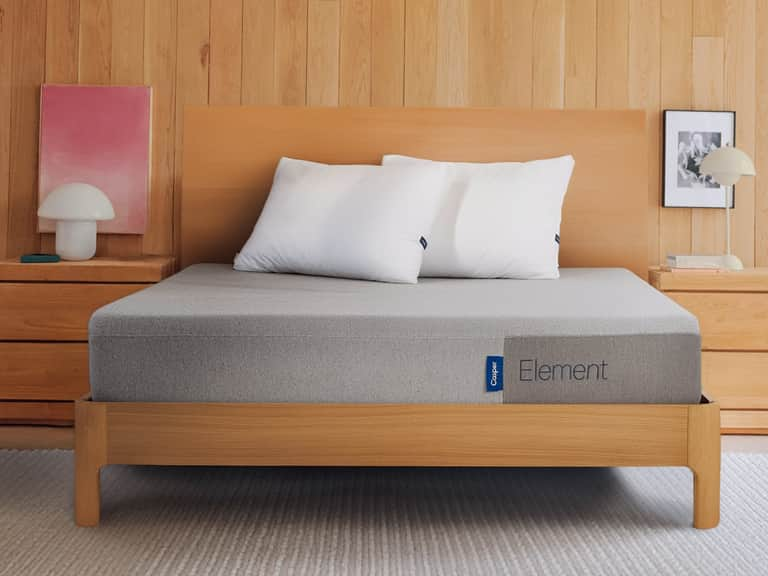
The Element Mattress is a foam mattress option within this category. Its role is to provide a supportive, cushioned surface for everyday sleep, with comfort shaped by its foam construction. Mattress feel varies by body type and preferred sleeping position, so features such as firmness and pressure relief are useful points of comparison.
Foam mattress performance depends on how its layers respond to weight, retain their shape, and manage heat. These characteristics can affect support, cushioning, and comfort through the night. A suitable mattress should work with the sleeper’s needs and the bed base, while compatible sheets and pillows help complete a practical bedding setup.
Foam mattresses are distinct from latex mattresses, although both may be considered by people comparing responsive, pressure-relieving sleep surfaces. Latex can offer a different feel and recovery response, while foam formulations vary in firmness and contouring. Those researching organic mattresses should verify material sourcing and certifications rather than assume all foam or latex is organic.
Care and fit also contribute to a mattress’s long-term usability. Check dimensions against the bed frame, follow the manufacturer’s guidance for rotation or cleaning, and use appropriately sized sheets. Evaluating support, comfort, materials, and care requirements together makes it easier to understand whether the Element Mattress or another foam design suits a particular sleep routine.
 Mattresses